Adverse Event reporting information can be found at the bottom of the page
Search
Search
Image
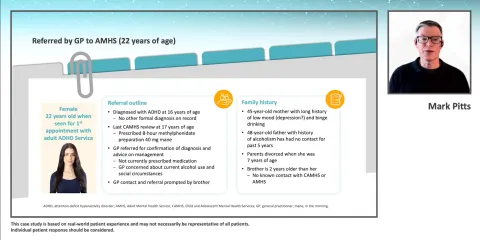
Patient case study- Transitioning from CAMHS to AMHS with ADHD
A real-world ADHD journey: Watch how transition, treatment choices, and support can help shape outcomes for young adults.
Image
Making Sense of the ADHD Brain
In this talk, listen to Dr. Mohring discuss how to make sense of the ADHD brain by weaving together neuroscience, clinical insight, and real‑world experience.
Image
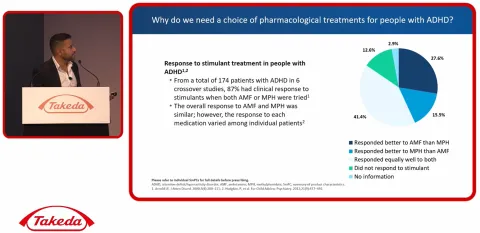
Evidence-based treatment approaches for adults with ADHD
Dr. Joe Johnson provides an evidence-based overview of pharmacological treatment options for adult ADHD, focusing on why stimulants are typically first choice, what major analyses and guidelines suggest, and how to translate this evidence into practical treatment decisions in ADHD care.
Image
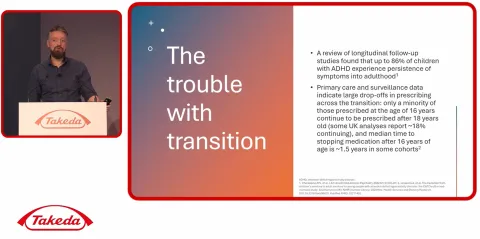
Achieving continuity of care into adulthood for younger people with ADHD
Dr. Christopher Abbott leads a practical session on how to support adolescents with ADHD to maintain effective care into adulthood. He explores why transition so often fails despite symptom persistence, highlights the real-world prescribing “drop-off” around ages 16–18, and shares actionable tools to improve continuity of care.
Image
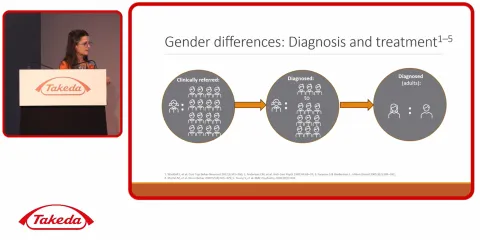
Managing ADHD in girls and women- Case Discussions
Sarah Morris and Dr. Judith Mohring lead a case-based session exploring why ADHD is often missed or diagnosed late in girls and women, and what that means for outcomes.
Image
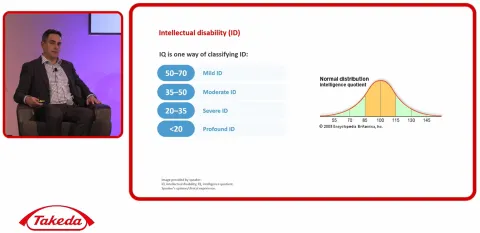
Understanding ADHD and intellectual disabilities
In this talk, listen to Dr Mischa Mockett and Dr Joe Johnson explore the complex overlap between ADHD and intellectual disabilities, offering a clinically grounded and highly practical guide for recognising, diagnosing, and managing ADHD in individuals with varying levels of cognitive impairment.
Image
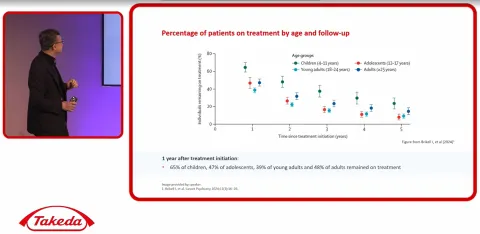
Medication Drop-offs: A Change in Mindset?
Discover what the latest data reveals about ADHD treatment drop-off—and why it matters. Professor Ian Wong shares an overview of recent data and new insights into why patients discontinue medication, the clinical impact of staying on treatment, and discusses tips to improve adherence.
Image
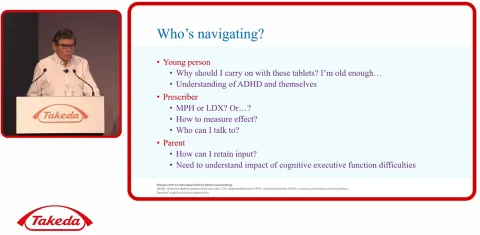
Navigating ADHD from adolescence to adulthood
Follow Professor Peter Hill as he explores how ADHD symptoms can manifest from adolescence to adulthood (16–26). The complexities that come with this transition are detailed as well as practical advice to support a more effective transition into adulthood.
Image
Stimulant Medications to Treat ADHD in Adults - What's the Difference?
What really separates amfetamines from methylphenidates? A neuroscience‑led explanation from Professor David Nutt.
You're leaving us
You will be redirected to an external website that is neither owned, or controlled by Takeda UK Ltd.
Takeda UK Ltd does not review, endorse or control the content of any non-Takeda owned site.
Takeda UK Ltd is not responsible for the accuracy, content, practices or standards of any non-Takeda resources accessed through a link on this site.